
Everdell Plushie Crane Games
Overview
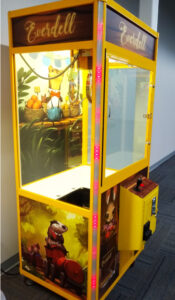
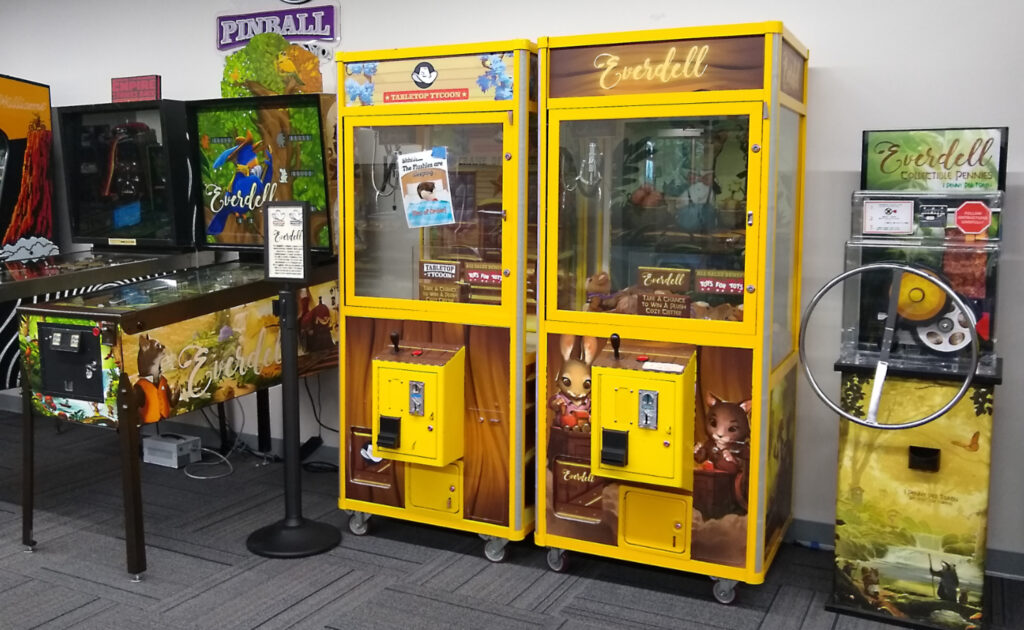
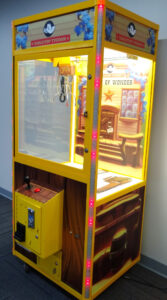
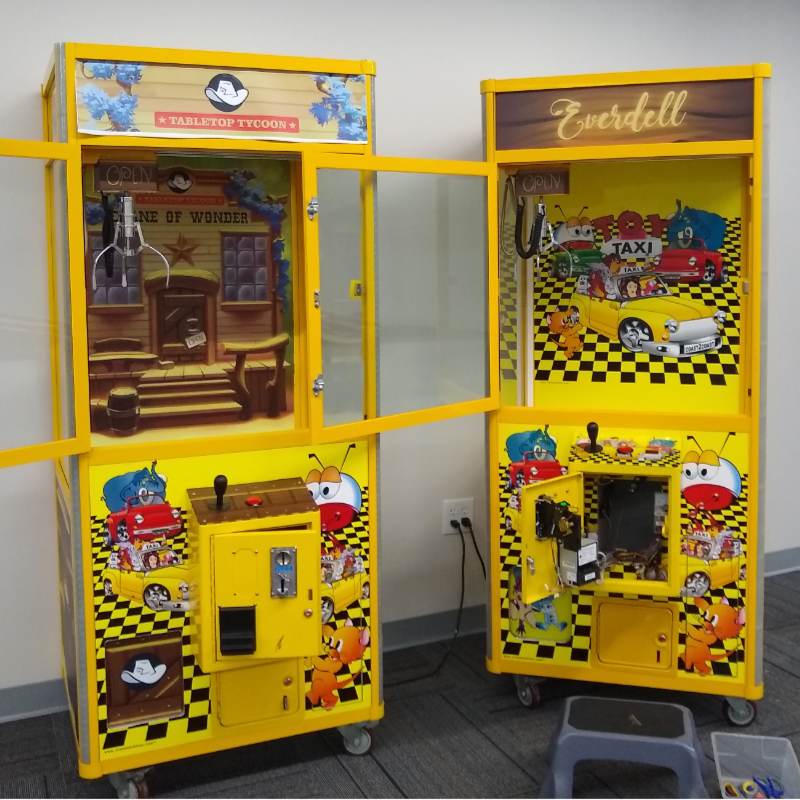
During my work with Tabletop Tycoon, I redesigned decals for a variety of crane games used at conventions to attract attention to the booth and promote new product releases. Below are examples of the crane games, along with several other machines I helped redesign.
Objectives
- Identify and reformat existing collateral to create engaging, relevant designs for refurbished crane games.
- Coordinate the ordering and application of decals while working within tight, time-sensitive deadlines.
Approach
When I started this project, I was already very familiar with the available Everdell artwork and how to adapt it for different surfaces. However, I had not yet managed the decal ordering and application process myself. The first step was developing a template for the unbranded crane games refurbished by the Tycoon technicians. The next major challenge was ordering the correct decals and applying them cleanly and precisely. The final results were well worth the effort, as the crane games generated significant interest in newly released plushies at conventions.
Client
Tabletop Tycoon
Role
Graphic Design
Deliverables
Designs and Sourcing for:
- Tycoon General Store Crane Game decals
- My Lil Everdell Crain Game decals
- Templates for additional crane games
Crane Game Design Process
Making the template
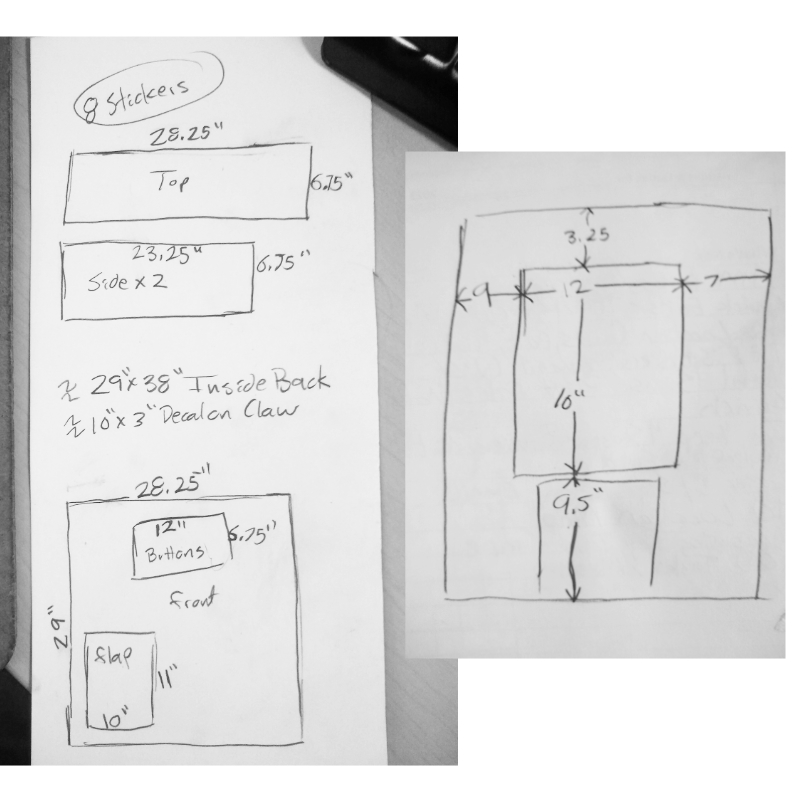
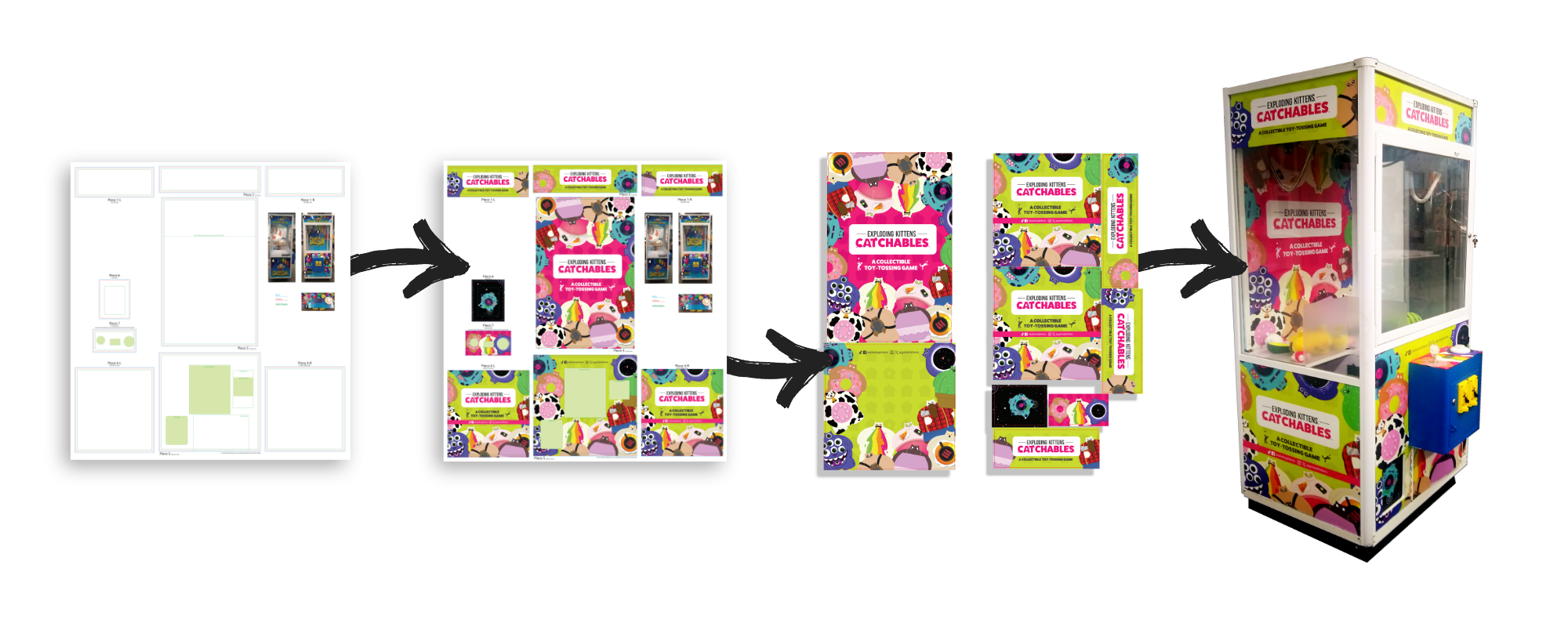
The arcade team acquired two used crane machines for refurbishment. Although they were the same model, their dimensions varied slightly. I measured each panel and created a template that would fit both machines. From there, I established the cut lines in Illustrator.
Choosing Art
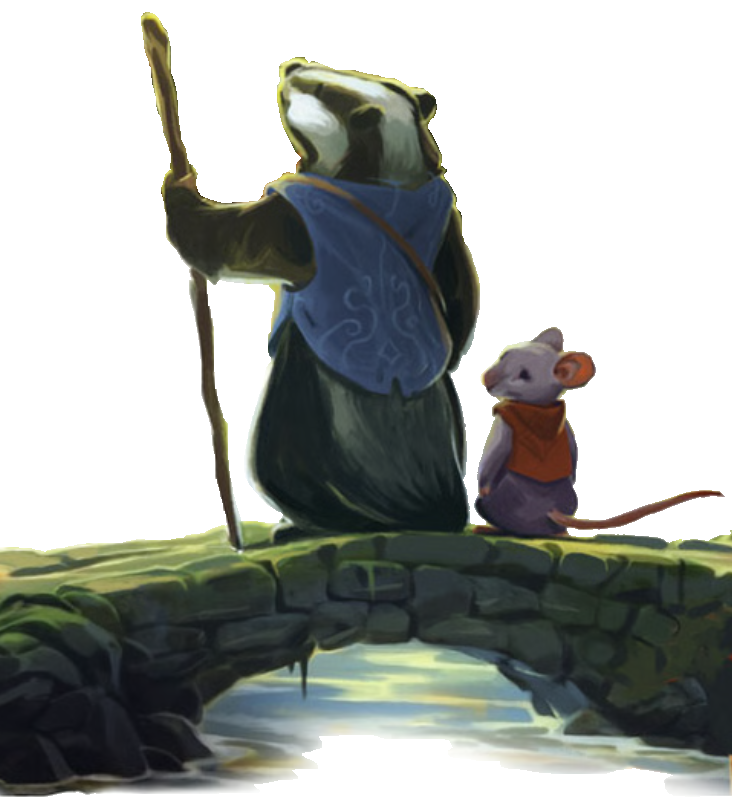
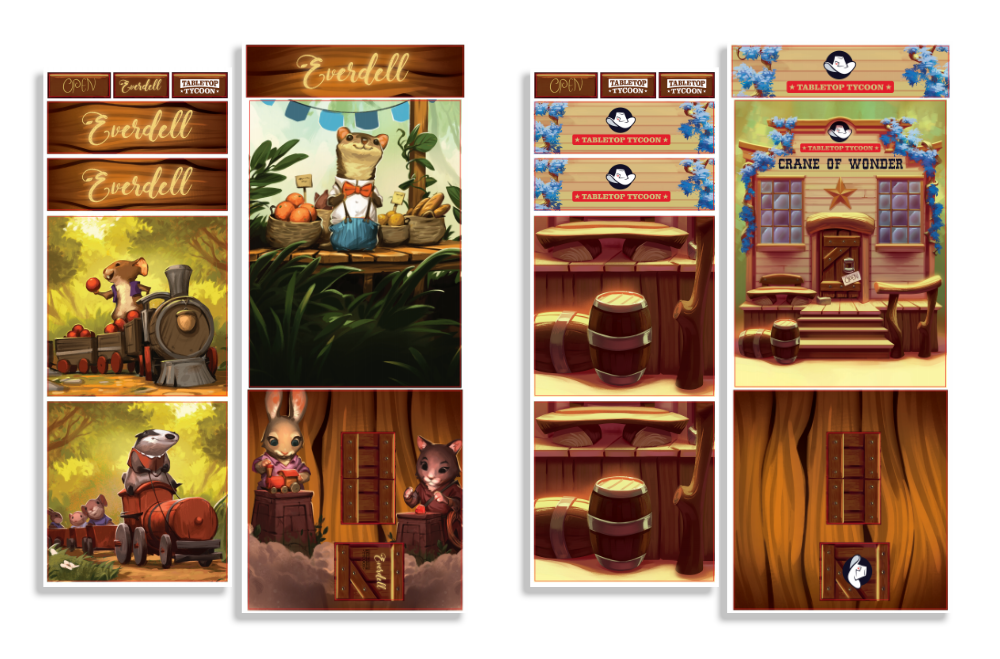
We knew we wanted one of the machines to feature a “Tycoon General Store” theme using artwork from an older convention banner. For the second machine, I selected artwork from “My Lil Everdell,” which better matched the cute plush prizes being offered.
Ordering Decals
Ordering the decals involved a steep learning curve. There was limited guidance on which vinyl to use or how the print files should be formatted. In the end, I chose large kiss-cut decal sheets in the largest size I could reasonably order. I arranged the panels as efficiently as possible, with each crane game requiring two large sheets that I later cut apart into individual panels for easier handling.
Applying Decals
I started with the smallest pieces on the top panel to get a feel for working with the vinyl. It stretched easily, and the adhesive allowed very little repositioning. I developed a technique of peeling back only the top edge of the backing first to align two corners, then slowly removing the rest of the backing while pressing the decal into place. Any air bubbles were removed by carefully pricking a small pinhole and smoothing out the trapped air.
Refining The process
We repeated the process with a custom crane game for Exploding Kittens, Inc. I developed a new template for a different crane game model and shared it with the designers at Exploding Kittens. Once they returned the artwork, I reformatted it for print and arranged the decal layout for production. The crane game was initially leased for a convention before later being sold to the company.
Glimmerhold Prize Wheel
Overview
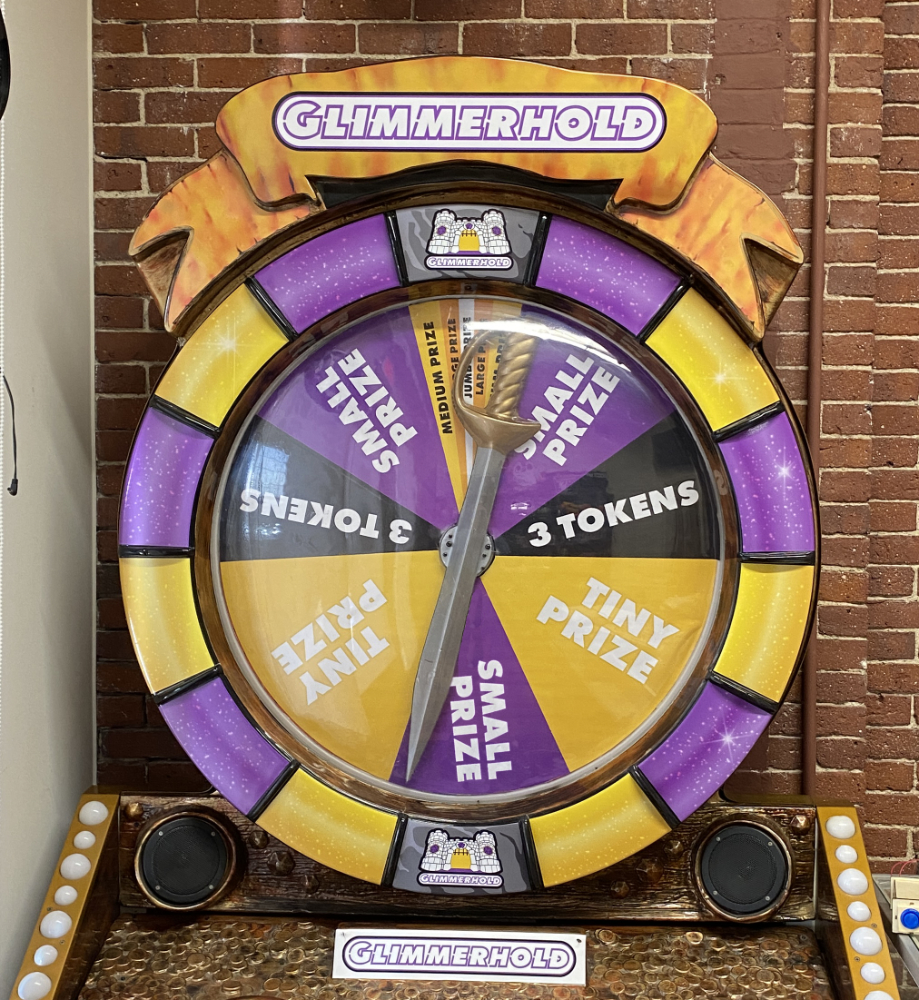
The Glimmerhold arcade primarily focused on pinball and did not use a ticket-based prize system. To address this, a prize wheel was introduced that gave every customer a free spin with a minimum purchase. The system was eventually decommissioned when the arcade shifted its branding and game selection.
Objective
Rebrand a refurbished prize wheel to serve as the primary rewards system for a pinball arcade that did not use a ticket-based prize model.
Approach
The first step was developing an accurate template. Because the prize wheel featured many irregular shapes, I measured and remeasured each section to ensure the design would fit correctly. The visual design was based on the arcade’s early Glimmerhold branding, which helped establish a clear creative direction.
Client
Tabletop Tycoon
Role
Graphic Designer
Deliverables
Designs and sourcing for a prize wheel vinyl decals, informed by programmed win conditions.
Prize Wheel Design Process
Making the template
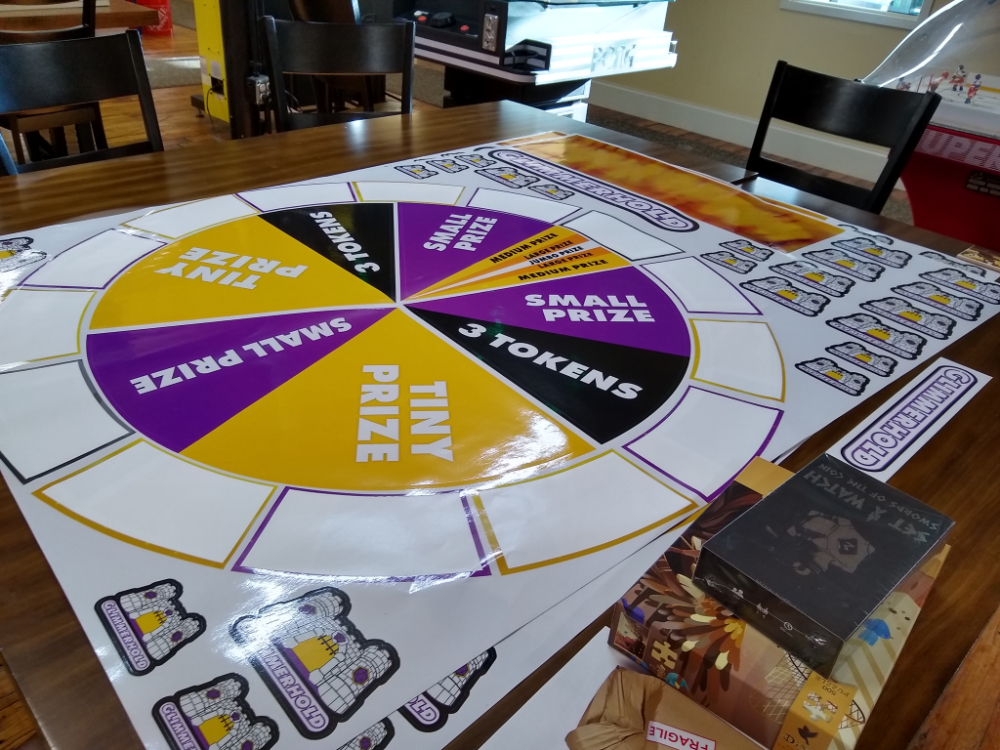
By carefully measuring and tracing irregular shapes, I created sketches that could be translated into a digital template.
Applying the Decals
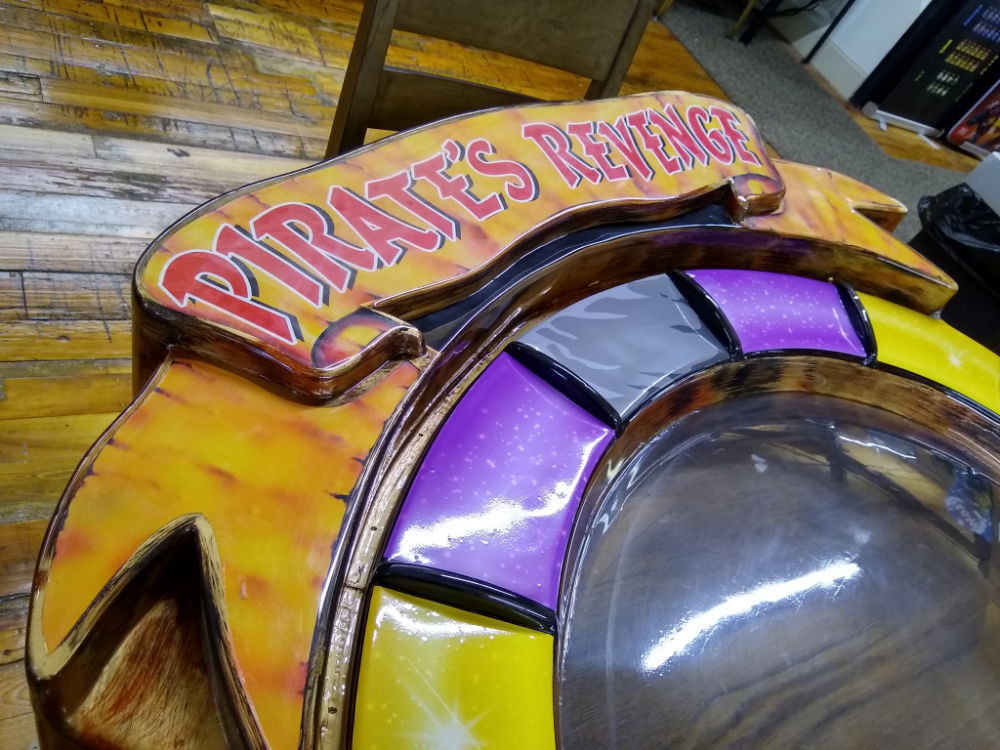
Because this was my first arcade game redesign, I included generous bleed to account for potential error. I also divided the large scoring circle into wedges to make the pieces smaller and easier to manage. In the end, the decals fit cleanly and were installed successfully.
Penny Press for Conventions
Overview
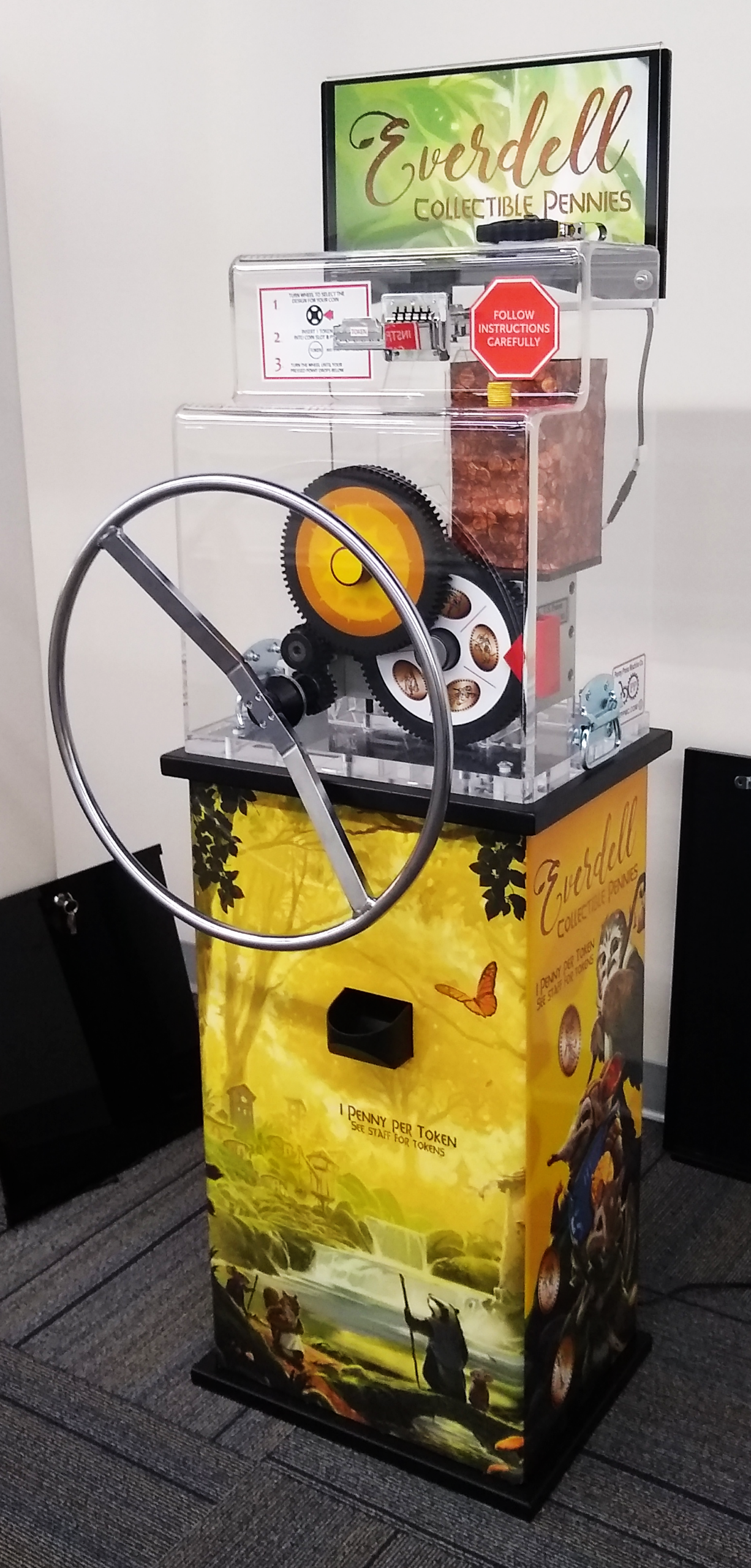
At conventions, it was observed that dedicated fans were eager for the latest Everdell releases, though new games take time to develop. To help meet this demand and attract general attendees to the booth, the team decided to purchase a penny press machine featuring collectible designs.
Objective
The goal was to create an exciting collectible that could be updated with new designs, while also increasing buzz and engagement at Tabletop Tycoon’s convention booth.
Approach
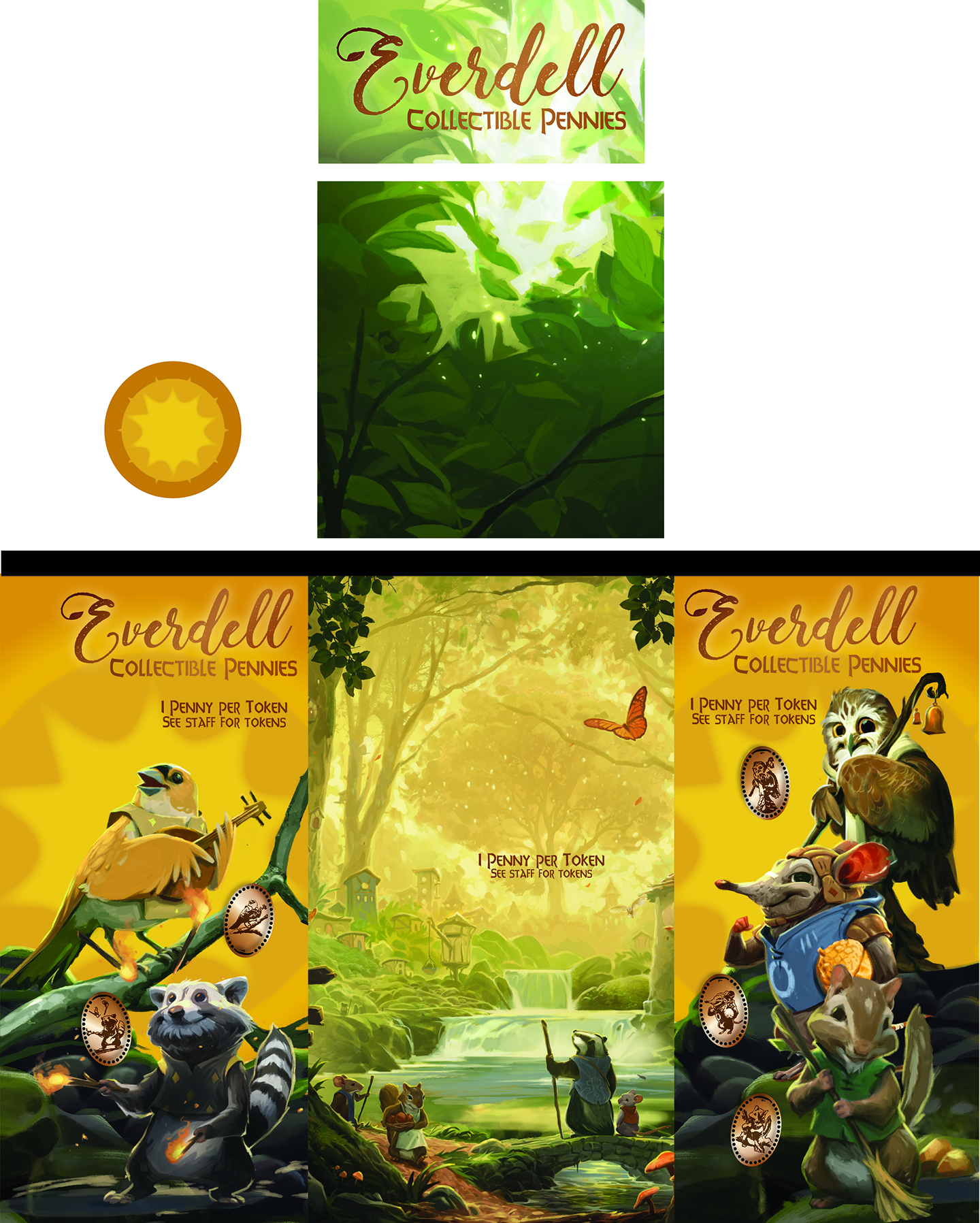
The process was fairly straightforward, focusing on identifying five popular characters from the Everdell universe and translating them into simplified vector artwork. From there, I designed a vinyl wrap to help attendees quickly identify their chosen design and operate the penny press.
Client
Tabletop Tycoon
Role
Graphic Designer
Deliverables
- Vinyl Wrap Design
- 5 Simplified Pieces of Character Art
Penny Press Design Process
Designing the Decal
This design was relatively straightforward, as it focused less on the artwork and more on clearly communicating how the machine worked and which designs were available on the pressed pennies.
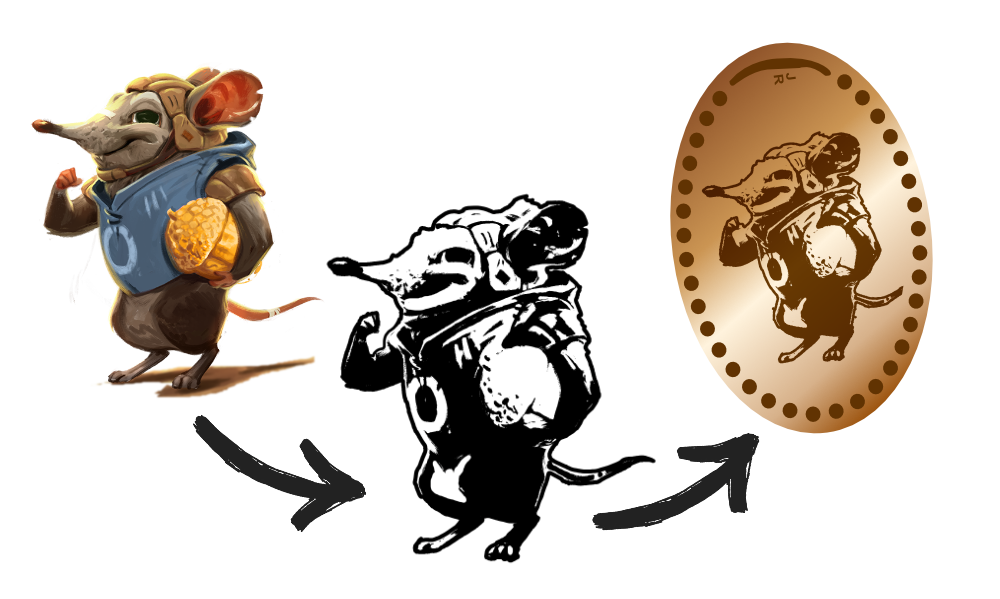
Converting the Art
The art of Everdell is characterized by expressive, imaginative digital painting, while the penny press required simplified vector artwork suitable for a die press. My approach was to convert the images to grayscale, increase contrast significantly, and then live-trace the artwork in Illustrator before manually cleaning it up. Automated processes got the designs about 80% of the way there, with the remaining 20% refined by hand.
Similiar Projects
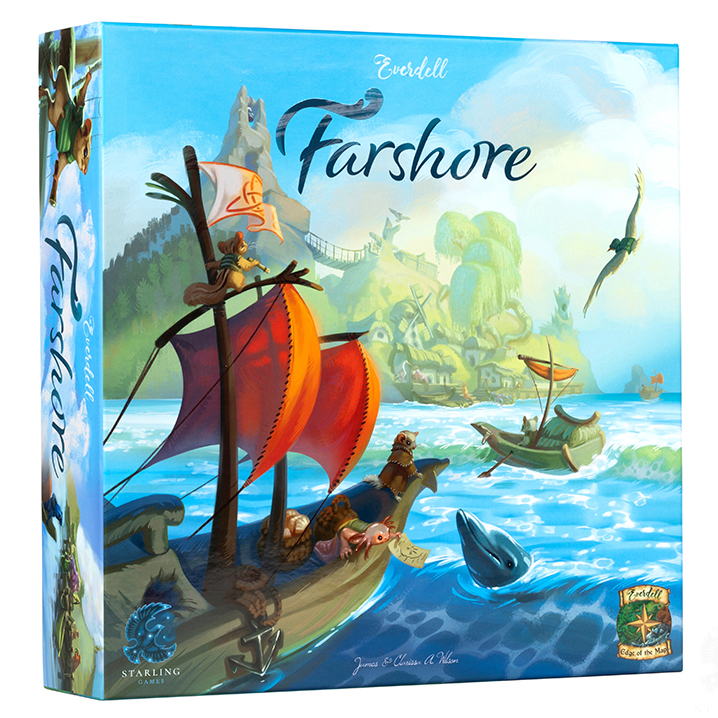
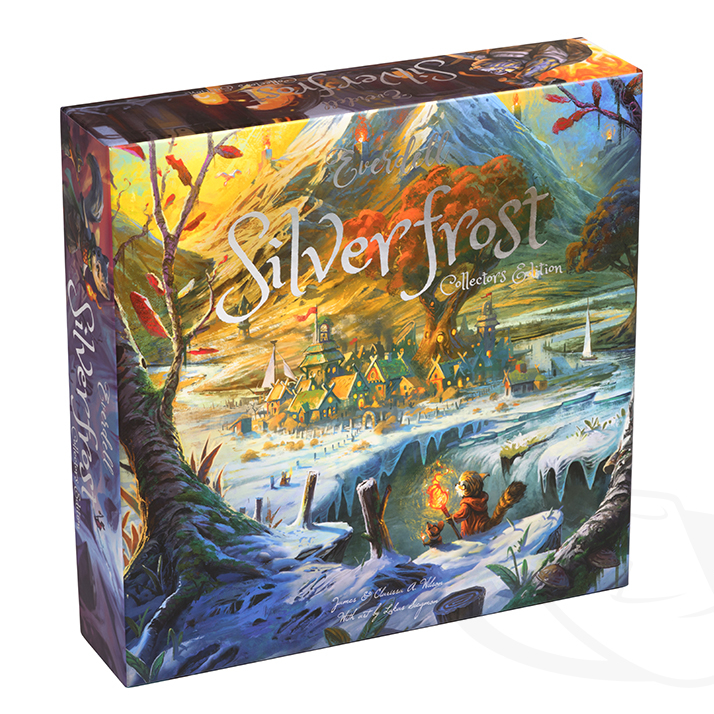
Different Projects
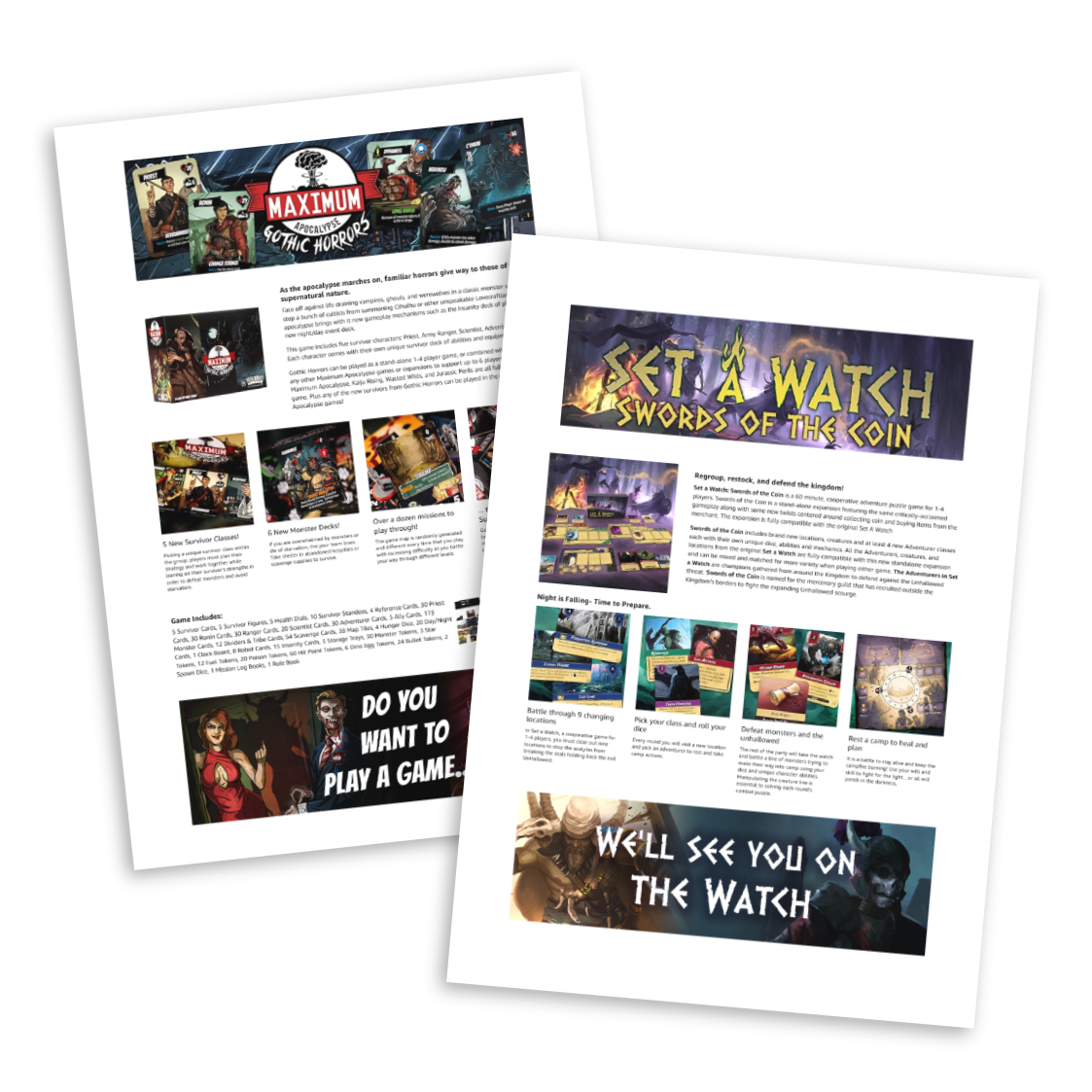
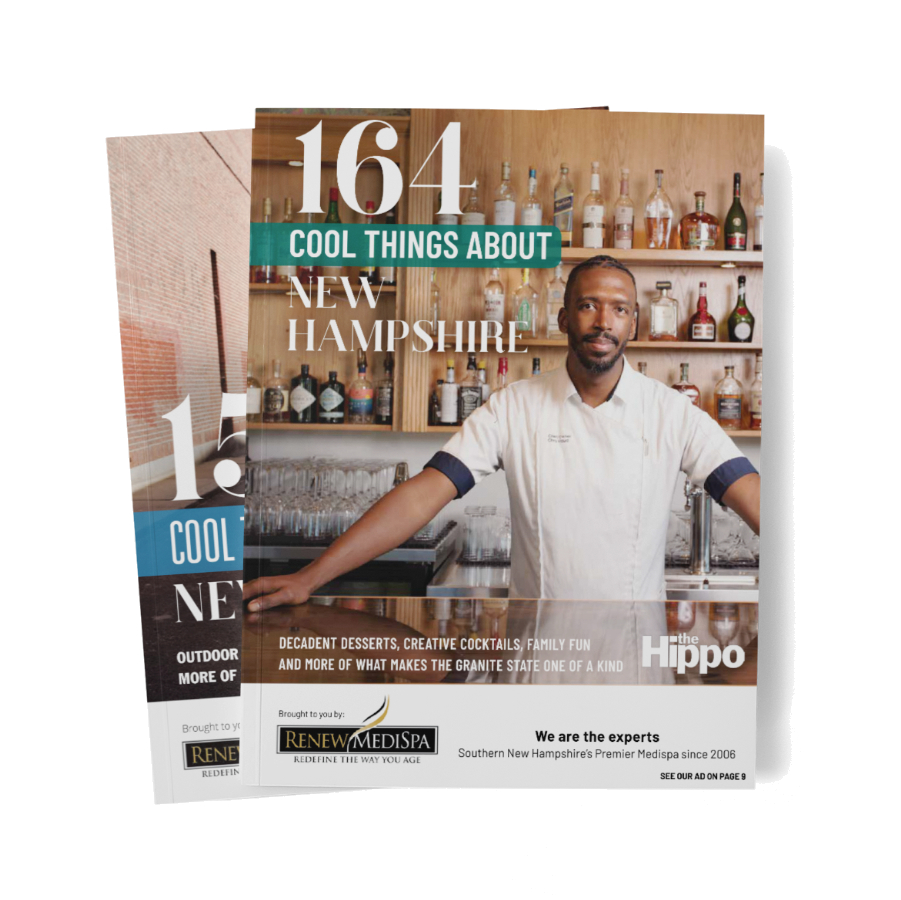

Tabletop Tycoon / Tycoon Games product photos, art and designs ©Tabletop Tycoon/Tycoon Games. All use of graphics are meant only to demonstrate graphic design skills and experience of the graphic designer.
Let`s Talk
(Psst, this is your part.)
Give me a few details about what you’re working on, what you need designed, and when you need it. I’ll take a look and get back to you about how I can help.